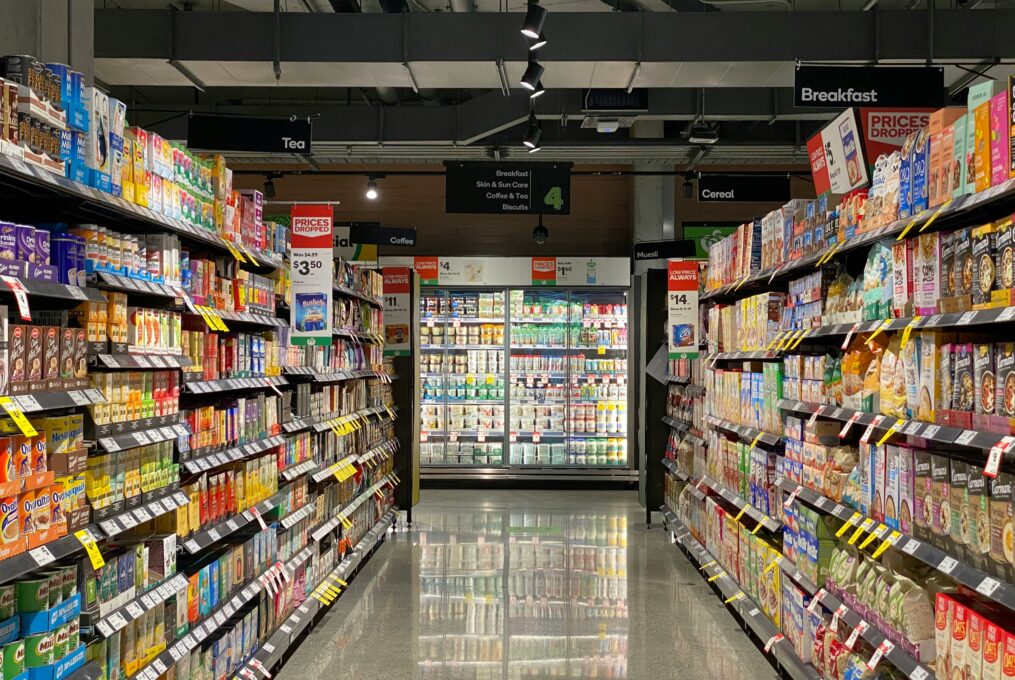
For supermarket chains evaluating how to expand or upgrade their Italian food assortment, the import process involves significantly more complexity than a standard domestic procurement cycle. Beyond supplier selection, buying teams must navigate regulatory compliance, logistics coordination, labeling requirements, and supplier qualification all while managing category performance targets.
Step 1: Define the Category Strategy Before Sourcing
A common mistake is starting with product selection before establishing a clear range architecture. Before engaging any italian food partner, the buying team needs to define:
- Target consumer segment: mainstream, premium, or specialty — each implies a different price architecture and supplier profile
- Category role: destination category (deep range, high investment) vs. complementary (curated, high-margin SKUs)
- Key product categories: the most requested Italian products in retail include pasta sauces and condiments, extra virgin olive oil, truffle-based products, and ingredients tied to internationally recognised recipes — these form the non-negotiable foundation of any Italian range.
Step 2: Supplier Qualification
Supplier qualification for supermarket chains operates under stricter protocols than for independent specialty retail. A credible italian food partner for GDO must satisfy a multi-dimensional evaluation: years of experience in international markets and in-depth knowledge of regulatory frameworks are essential prerequisites for a reliable Italian food supplier operating across multiple export destinations.
For buyers who need a vertically integrated, export-ready Italian food partner, Casa Rinaldi delivers — active since 1979, with a catalog of 1,000+ SKUs spanning oils, vinegars, pesto, truffle-based products, and condiments..
Step 3: Regulatory Compliance and Import Documentation
Importing food from Italy requires careful adherence to customs regulations, including food safety standards, customs duties that vary by product type, and labeling requirements that must comply with destination-market rules often including ingredients, allergens, and nutritional information in the local language.
The standard documentation package for an Italian food import typically includes:
- EUR.1 or REX declaration (proof of preferential EU origin)
- Commercial invoice, packing list, and bill of lading
- Nutritional and allergen labeling compliant with destination-market legislation
A qualified italian food partner should manage the bulk of this documentation on the supplier side, reducing the administrative burden on the buying team.
Step 4: Labeling Compliance and Packaging Readiness
Imported food products must comply with the destination country’s labeling requirements, often including ingredients, allergens, and nutritional value displayed in the local language.
Suppliers managing multiple export markets simultaneously — like Casa Rinaldi — tend to have the most mature labeling infrastructure, a concrete operational advantage over sourcing directly from small Italian producers.
Partner with Casa Rinaldi for Your Italian Food Import
If your buying team is evaluating new Italian food suppliers or planning to expand an existing range, Casa Rinaldi is the italian food partner built for supermarket-scale supply. Over 40 years of international export experience, vertically integrated production rooted in the balsamic vinegar tradition of Modena, and a 1,000+ SKU certified catalog ready for retail onboarding.
Looking for the right Italian food supplier for your channel? Start with the Casa Rinaldi B2B catalog or talk directly to the export team — casarinaldi.com/en/contact-us