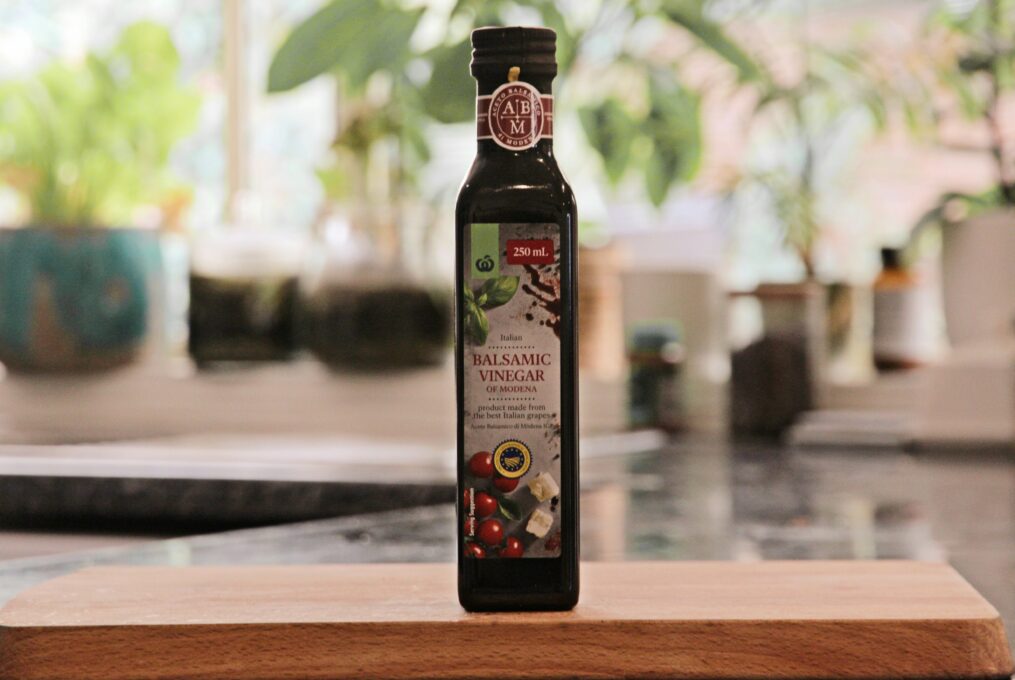
For retail buyers and importers sourcing Italian food, product authenticity is not a matter of marketing preference — it is a compliance and commercial risk issue. The global Italian food market is heavily distorted by the so-called “Italian Sounding” phenomenon, which makes accurate supplier and product qualification an operational necessity, not an optional due diligence step.
The Italian Sounding Problem: Why It Matters for Buyers
Italian Sounding refers to the fraudulent use on labels and packaging of names, geographical references, images, and color combinations that evoke Italian food products — without any actual connection to Italy, its producers, or its regulated production methods. The Italian flag, references to iconic locations, Italian-language names: all common tactics used to simulate authenticity without delivering it.
Two out of three “Italian” agri-food products sold internationally are not made in Italy, which means that for any retail buyer building an Italian food range, the probability of inadvertently stocking non-authentic products — without a rigorous qualification process — is structurally high.
The commercial consequences are real: consumers increasingly able to distinguish genuine from imitation will erode trust in a range built on Italian Sounding products. Working with a qualified italian food partner from the outset is the most effective mitigation.
The EU Certification Framework: Your Primary Verification Tool
The most reliable authenticity signal available to retail buyers is the EU protected designation system. Three certifications are operationally relevant:
DOP / PDO — Protected Designation of Origin The most stringent certification. The DOP label guarantees that the entire production process — from raw material to finished product — takes place within a defined geographical area, under regulated production methods. Examples directly relevant to the Casa Rinaldi portfolio include Aceto Balsamico Tradizionale di Modena DOP and DOP-certified extra virgin olive oils from Tuscany.
PGI — Protected Geographical Indication A protected geographical indication certifies that at least one stage of production, processing, or preparation takes place in the designated region. PGI products are tied to their region of origin, meaning the product’s quality, reputation, or other characteristics are attributable to that geographical location. Balsamic Vinegar of Modena PGI — a cornerstone of the Casa Rinaldi range — falls under this category.
For any retail buyer evaluating Italian food suppliers, the presence of DOP/PGI certification on key SKUs is a non-negotiable authenticity indicator. It is also a shelf-level differentiator: certified Italian products carry a built-in consumer trust premium that Italian Sounding imitations cannot replicate.
How to Read a Label: Practical Verification Checklist
Beyond certification logos, buyers should apply a structured label-reading protocol during product evaluation:
- Verify the producer’s registered address: the manufacturing facility must be located in Italy for the product to legitimately claim Italian origin
- Check the certification body reference: DOP and PGI products must display the name of the accredited certification body that audits the production process
- Confirm the EU quality logo: the standardized EU DOP (red/yellow) and PGI (blue/yellow) logos should appear on-pack; their absence on a product claiming protected status is a red flag
- Cross-reference the EU DOOR database: the European Commission’s official register of protected designations allows buyers to verify that a product’s claimed certification is active and legitimate
- Scrutinize Italian Sounding triggers: Italian-language names, tricolor packaging, and generic “Made in the style of Italy” language on non-Italian-origin products are diagnostic markers of inauthenticity
Supplier Qualification as an Authenticity Filter
Label verification is a necessary but insufficient condition for authenticity assurance at import scale. The deeper qualification layer is the supplier itself.
An authentic italian food partner — as opposed to a trading intermediary aggregating products of uncertain provenance — will typically demonstrate:
- Vertical integration or direct producer relationships: the ability to trace every SKU back to a named, certified Italian production facility
- Transparent ingredient and origin documentation: a supplier unwilling or unable to provide full traceability documentation on request should be disqualified
- Consistent brand architecture: authentic Italian producers invest in coherent product identity — professionally developed labels, multilingual compliance packaging, and structured export catalogs are markers of a legitimate, long-term operation
Categories Where Authenticity Risk Is Highest
Some Italian food categories carry disproportionately high Italian Sounding exposure — and therefore require the most rigorous verification:
- Parmesan vs. Parmigiano Reggiano DOP: “Parmesan” is a generic term with no protected status; only Parmigiano Reggiano DOP from its designated production zone in Emilia-Romagna is the genuine article
- Balsamic vinegar: the category is heavily distorted by caramel-colored imitations; only Aceto Balsamico di Modena PGI and Aceto Balsamico Tradizionale di Modena DOP carry legitimate protected status
- Extra virgin olive oil: labeling irregularities in this category are among the most documented in European food fraud enforcement — DOP certification and producer traceability are essential verification steps
- Pesto and pasta sauces: generic “Italian-style” sauces produced outside Italy flood the market; buyers should verify both ingredient origin and production location
All of these categories are anchored within the Casa Rinaldi catalog with certified, traceable, Italy-origin products — making it a reliable italian food partner for buyers who cannot afford authenticity risk in their Italian food range.
Source Authentic Italian Food with Casa Rinaldi
For category managers serious about Italian food, Casa Rinaldi offers what most suppliers can’t match: over 1,000 certified SKUs across oils, vinegars, truffle products, pesto, sauces, and condiments — with genuine production roots in Italy and four decades of international retail supply experience.
Interested in expanding your Italian food range with Casa Rinaldi? Request the catalog, talk range strategy, or arrange a sampling session — casarinaldi.com/en/contact-us