For retail buyers evaluating how to build or upgrade a condiments range within their Italian food assortment, the selection process requires more than browsing a supplier catalog. Italian condiments represent one of the most stratified and certification-dense segments in the entire specialty food landscape — and the choices made at the ranging stage have a direct impact on margin, shopper perception, and category coherence. This guide covers the practical framework for making those choices well.
Why Italian Condiments Deserve a Dedicated Selection Strategy
The condiments category in Italian food is structurally different from most ambient grocery categories. Traditional Italian cuisine is founded on a fundamental principle: the quality of ingredients comes before everything else — and even apparently simple preparations rely on elements of exceptional quality. This consumer expectation of ingredient quality, deeply embedded in how shoppers engage with Italian food, translates directly into shelf behavior: buyers who choose undifferentiated, commodity-grade condiments fail to capture the premium positioning the category naturally supports.
Authentic Italian brands help retailers strengthen category credibility, justify premium pricing, increase customer trust, and enhance overall store positioning — all of which are measurable outcomes tied directly to the quality of the condiment range.
The Core Condiment Categories to Prioritize
Not all Italian condiment sub-categories carry equal retail value. The following clusters — all represented in the Casa Rinaldi catalog — are the highest-priority for any buyer building a structured Italian condiments range:
Extra Virgin Olive Oil The anchor of the Italian condiments category. Extra virgin olive oil is an irreplaceable element of Italian cuisine, used both for cooking and as a finishing ingredient that elevates any dish. For retail, the range should include at minimum a multi-origin blended EVOO for everyday use and a DOP-certified single-origin oil (Tuscan, Sicilian, or Puglian) for the premium tier. Buyers should verify cold-extraction process and harvest year where relevant.
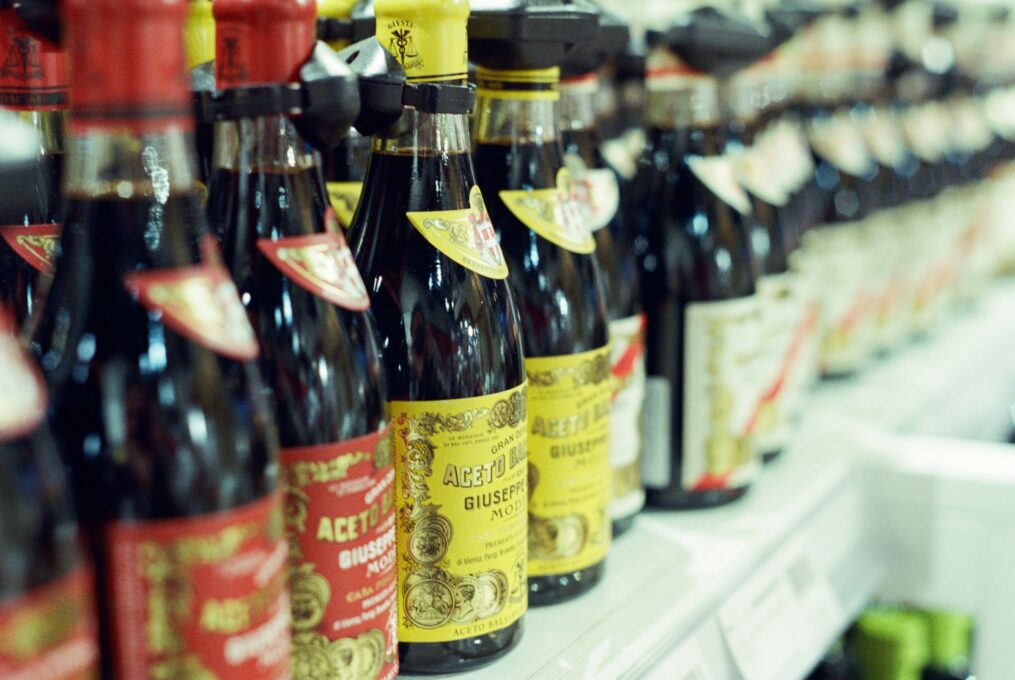
Balsamic Vinegar of Modena The condiment sub-category in Italian food retail, and one requiring the most careful selection discipline. There are two legally distinct product categories:
- Aceto Balsamico di Modena PGI: produced from grape must and wine vinegar, aged in wood — the commercial-grade certified product appropriate for mainstream and mid-premium shelf placement
- Aceto Balsamico Tradizionale di Modena DOP: produced exclusively from cooked grape must, aged minimum 12 years — a premium-tier product for specialty and gifting formats
Both have distinct retail applications and should not be conflated. Casa Rinaldi’s balsamic range — rooted in the Modena production tradition since 1979 — covers the full spectrum from entry to aged premium grades, making it a natural italian food partner for buyers structuring a tiered balsamic selection.
Pesto and Herb-Based Sauces Basil pesto remains one of the most purchased Italian condiments internationally, but the category extends significantly beyond it. A well-structured pesto and sauce range should include:
- Classic Genovese basil pesto
- Tomato-based pesto variants (Sicilian-style, sun-dried tomato)
- Vegetable creams (artichoke, truffle, olive)
Truffle-Based Condiments The premium ceiling of the Italian condiment category. Truffle-based condiments — creams, oils, sliced truffle — are among the most sought-after gourmet Italian products, combining strong consumer aspirational appeal with price positioning that is difficult to challenge on a cost-per-use basis.
Wine Vinegars An underexploited segment in many Italian food ranges. Red and white wine vinegars from Emilia-Romagna offer a versatile, everyday product with strong territorial identity and clear retail potential.
Glazes Balsamic Glazes and flavored dressings deliver strong margins and excellent cross-sell opportunitiesl. They are intuitive products, easy to communicate and capable of adding perceived value even within a compact food assortment.
Certification as a Selection Filter
For Italian condiments, EU quality certification is not a differentiator — it is a selection prerequisite for any range claiming authenticity. Italy holds the highest number of agri-food products with designations of origin and geographical indications recognized by the European Union, and within the condiment segment, DOP and PGI marks are the most commercially significant:
- DOP (Denominazione di Origine Protetta): guarantees that the entire production process — from raw material to finished product — occurs within a defined Italian geographical area under regulated methods
- PGI (Indicazione Geografica Protetta): certifies that at least one stage of production is linked to the designated region, with quality and reputation attributable to that origin
For retail buyers, these certifications serve a dual function: they provide authenticity verification during supplier qualification, and they function as a consumer-facing trust signal at shelf. Products bearing these marks can be priced at a premium and positioned with greater narrative authority.
What to Evaluate in a Condiment Supplier
Beyond individual SKU quality, buyers sourcing Italian condiments for retail should assess the supplier across several operational dimensions:
- Range coherence: the ability to source olive oil, balsamic vinegar, pesto, truffle condiments, and glazes from a single italian food partner reduces procurement complexity and enables consolidated inbound logistics
- Packaging and labeling capability: destination-market compliant labels, multilingual packaging, and format flexibility (from single-unit retail to gifting formats) are operational prerequisites for supermarket or specialty retail onboarding
- Heritage and territorial credibility: a brand with genuine Italian heritage communicates stability, expertise, and cultural depth — elements essential when building a premium Italian assortment capable of performing over time
Source Your Italian Condiments Range with Casa Rinaldi
Casa Rinaldi is the italian food partner built for retail buyers who take condiment selection seriously. With production roots in Modena — the heartland of balsamic vinegar — and Tuscany, and a catalog covering extra virgin olive oils, Balsamic Vinegar of Modena, pesto and sauces, truffle condiments, glazes, and wine vinegars, Casa Rinaldi provides the category depth, certification credentials, and supply reliability to build a high-performing Italian condiments range from a single supplier relationship.
Building your Italian condiments range? Casa Rinaldi’s export team can walk you through catalog depth, range architecture, and sourcing options — casarinaldi.com/en/contact-us